
18 Jul 2026, 10:00 PM
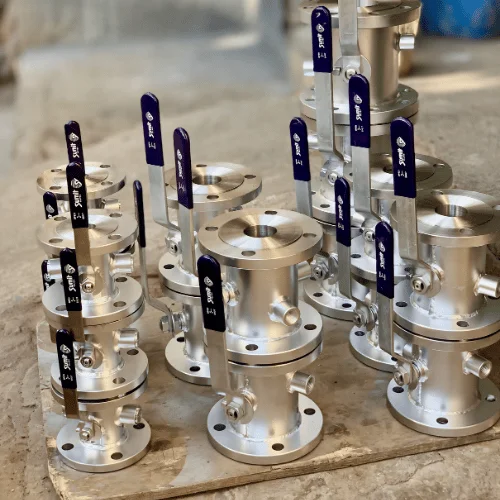
Ball valves are among the most widely used industrial valves because they provide fast operation, excellent sealing performance, and long service life. Whether controlling water, chemicals, steam, compressed air, oil, or gas, a high-quality ball valve in Delhi ensures smooth and reliable flow control while minimizing leakage and maintenance requirements.
Today, industries across India—including Ahmedabad, Mumbai, Pune, Dahej, Vapi, Rajkot, and Delhi—depend on durable industrial ball valves to keep their production processes safe, efficient, and uninterrupted. From chemical manufacturing and pharmaceutical plants to food processing, petrochemical facilities, and water treatment systems, ball valves have become an essential part of modern industrial infrastructure.
Although a ball valve in Delhi may appear simple, selecting the right one requires understanding several important factors, such as valve design, body material, pressure rating, temperature limits, end connections, sealing materials, and the specific application. Choosing the wrong valve can lead to leakage, frequent maintenance, reduced efficiency, and costly downtime.
This comprehensive guide explains everything you need to know about ball valves—from their working principle and components to different types, materials, applications, advantages, maintenance, and selection tips. Whether you are an engineer, procurement manager, plant owner, maintenance professional, or someone learning about industrial valves, this guide will help you make informed decisions.
A ball valve in Delhi is a quarter-turn flow control valve that uses a hollow, perforated, and rotating ball to control the flow of liquids, gases, or steam through a pipeline. When the hole in the ball aligns with the pipe, fluid flows freely. Rotating the handle by 90 degrees turns the solid side of the ball against the flow, creating a tight shut-off. Ball valves are widely used because they are durable, easy to operate, require minimal maintenance, and provide reliable sealing in industrial applications.
A ball valve in Delhi is a mechanical flow-control device designed to start, stop, or regulate the movement of fluids within a piping system. Unlike gate or globe valves that rely on lifting or lowering a gate or disc, a ball valve uses a precision-machined spherical ball with a central bore. This simple yet highly effective design allows for quick operation, minimal pressure loss, and dependable sealing, making ball valves one of the most preferred valve types across various industries.
Industrial processes rely on precise flow control to ensure safety, productivity, and equipment protection. A ball valve in Delhi plays a critical role by allowing operators to quickly isolate pipelines, regulate fluid movement, and prevent leakage under demanding operating conditions. Their robust construction and dependable performance make them suitable for continuous industrial use, even in challenging environments involving high pressure, corrosive chemicals, or elevated temperatures.
Modern industries value ball valves because they reduce maintenance costs, improve operational efficiency, and provide consistent sealing performance over long service periods. Their compatibility with manual, pneumatic, and electric actuators also makes them an excellent choice for automated process control systems.
Unlike multi-turn valves, a ball valve in Delhi opens or closes with just a 90-degree rotation. This allows operators to isolate fluid flow quickly, reducing response time during routine operations and emergency shutdowns.
The spherical ball and precision-engineered valve seats create a secure seal that minimizes leakage. This makes ball valves ideal for applications where maintaining process integrity is critical.
Ball valves contain relatively few moving parts, reducing wear and extending operational life. With proper installation and maintenance, they can deliver reliable performance for many years.
Because of their simple design and durable construction, ball valves generally require less maintenance compared to many other industrial valve types, helping reduce downtime and maintenance costs.
Ball valves can handle a wide range of media, including water, steam, air, gases, petroleum products, and chemicals, making them suitable for numerous industrial applications.
Chemical plants use ball valves to safely handle corrosive liquids, solvents, acids, and other aggressive media while maintaining reliable shut-off performance.
ball valves in Delhi are widely used in upstream, midstream, and downstream operations for pipeline isolation, fuel transfer, and process control because of their ability to operate under demanding pressure conditions.
Pharmaceutical facilities require hygienic and contamination-free fluid handling. Ball valves manufactured from high-quality materials help maintain product purity and process reliability.
Municipal and industrial water treatment plants use ball valves for filtration systems, pumping stations, and distribution networks due to their durability and ease of operation.
Food-grade stainless steel ball valves are commonly used in processing plants because they offer corrosion resistance, smooth internal surfaces, and easy cleaning.
Petrochemical facilities depend on industrial ball valves to control hydrocarbons, chemicals, and process fluids while ensuring operational safety and efficiency.
With more than 25 years of industry experience, Sumit Valves Mfg Co. has established itself as a trusted Manufacturer, Supplier, Wholesaler, and Trader of high-quality industrial valves in India. The company offers a comprehensive range of Ball Valves in Delhi, 2 Piece Ball Valves in Delhi, 3 Way Ball Valves in Delhi, and Jacketed Ball Valves in Delhi, engineered to deliver reliable performance across diverse industrial applications.
Serving customers in major industrial hubs such as Ahmedabad, Mumbai, Pune, Dahej, Vapi, Rajkot, and Delhi, Sumit Valves Mfg Co. is committed to delivering durable products, practical engineering solutions, competitive pricing, and dependable customer support. Whether your application involves chemical processing, pharmaceuticals, petrochemicals, oil & gas, water treatment, or food processing, the company provides valve solutions designed to meet demanding operational requirements.
A ball valve operates using a simple yet highly efficient quarter-turn mechanism. Inside the valve body is a precision-engineered spherical ball with a hole, known as the bore, passing through its center. This ball rotates 90 degrees with the help of a handle or actuator to either allow or block the flow of fluid.
When the bore aligns with the direction of the pipeline, the valve remains fully open, allowing liquids, gases, or steam to pass through with minimal resistance. When the handle is turned 90 degrees, the solid side of the ball blocks the flow path, creating a tight seal that prevents leakage. This straightforward mechanism makes ball valves one of the most reliable and efficient flow control solutions used in modern industries.
Unlike many other valve types that require multiple turns to operate, a ball valve opens and closes quickly, reducing operating time and making it ideal for emergency shut-off applications.
The working principle of a ball valve is based on the rotation of a hollow ball inside the valve body. As the handle rotates, the ball rotates with it, changing the position of the bore relative to the pipeline.
When the handle is parallel to the pipeline, the bore inside the ball aligns perfectly with the pipe. This creates a straight flow path, allowing the fluid to move through with very little pressure loss.
When the handle is turned perpendicular to the pipeline, the solid portion of the ball blocks the passage completely. This prevents the flow of liquid or gas and provides a leak-tight shut-off.
Although a ball valve can be partially opened to regulate flow, it is generally designed for fully open or fully closed operation. Keeping the valve partially open for extended periods may increase wear on the seats and reduce the valve's service life.
Understanding the individual components of a ball valve helps users select the right valve for their application and maintain it properly. Each component plays a specific role in ensuring smooth operation, durability, and leak-proof performance.
The valve body is the outer casing that houses all internal components. It provides structural strength and protects the valve from external pressure and environmental conditions. Depending on the application, valve bodies are commonly manufactured from stainless steel, carbon steel, brass, cast iron, or specialized alloys.
The ball is the heart of the valve. It is a polished spherical component with a precisely machined bore through its center. High-quality balls are designed to provide smooth rotation, minimize friction, and ensure a reliable seal during operation.
The stem connects the handle or actuator to the ball. When the handle rotates, the stem transfers the movement to the ball, allowing it to open or close. Industrial-grade stems are designed to withstand repeated operation and high mechanical stress.
Valve seats create the seal between the ball and the valve body. They are usually made from PTFE (Teflon), reinforced polymers, or metal, depending on the operating temperature and fluid type. Proper seat selection is essential for preventing leakage and maintaining long-term performance.
The handle allows manual operation of the valve, while pneumatic, electric, or hydraulic actuators automate valve movement in industrial process control systems. Automated actuators improve efficiency, reduce manual intervention, and enhance operational safety.
Seals and O-rings prevent leakage around the stem and other critical joints. High-quality sealing materials improve valve reliability and extend service life, particularly in demanding industrial environments.
Ball valves are available in various designs to meet different industrial requirements. Choosing the right type depends on factors such as operating pressure, process media, installation space, maintenance requirements, and flow direction.
A 2 Piece Ball Valve in Delhi consists of two body sections joined together, allowing easier maintenance compared to a one-piece design. It offers a balance between durability, serviceability, and cost-effectiveness, making it one of the most commonly used ball valves in industrial applications.
These valves are widely used in:
At Sumit Valves Mfg Co., our 2 Piece Ball Valves are manufactured with precision to deliver reliable shut-off performance, excellent sealing, and long service life across demanding industrial environments.
A 3 Way Ball Valve in Delhi features three ports instead of two, allowing operators to divert, mix, or distribute fluid flow between multiple pipelines. These valves simplify complex piping systems and reduce the need for additional fittings.
Common applications include:
A Jacketed Ball Valve in Delhi is specially designed for handling media that must remain at a controlled temperature. The valve body includes an external jacket through which steam, hot oil, or another heating or cooling medium circulates. This helps prevent the process fluid from solidifying, crystallizing, or becoming too viscous.
These valves are commonly used in:
A Full Port Ball Valve has an internal bore that matches the pipe diameter, allowing unrestricted flow with minimal pressure drop. This design is ideal for applications where maintaining maximum flow efficiency is essential.
A Reduced Port Ball Valve has a smaller internal bore than the connecting pipeline. While this design slightly restricts flow, it is often more economical and suitable for applications where maximum flow capacity is not required.
In a Floating Ball Valve, the ball is supported by the valve seats rather than being mechanically anchored. Process pressure pushes the ball against the downstream seat, creating a tight seal. This design is commonly used for small and medium-sized industrial valves.
A Trunnion Mounted Ball Valve uses additional mechanical supports at the top and bottom of the ball. This reduces operating torque and improves sealing performance under high-pressure conditions, making it ideal for large-diameter pipelines and critical industrial processes.
Selecting the right valve material is just as important as selecting the right valve type. Material compatibility directly affects corrosion resistance, pressure handling, temperature limits, and overall service life.
| Material | Best For | Advantages |
|---|---|---|
| Stainless Steel | Chemical, Pharmaceutical, Food Processing | Excellent corrosion resistance and durability |
| Carbon Steel | Oil & Gas, High Pressure Systems | High strength and cost-effective |
| Brass | Water, Air, HVAC | Good corrosion resistance and economical |
| Cast Iron | Water Distribution | Durable and suitable for moderate-pressure applications |
| Alloy Steel | Extreme Temperature & Pressure | Superior mechanical strength and reliability |
Selecting the right ball valve requires evaluating several technical and operational factors. A well-chosen valve improves efficiency, reduces maintenance, and ensures long-term reliability.
Identify whether the valve will handle water, steam, oil, gas, chemicals, or abrasive fluids. Different media require different body and seat materials to ensure compatibility and longevity.
Always choose a valve rated for the maximum operating pressure and temperature of your system. Using an underspecified valve can lead to failure and safety risks.
Choose stainless steel, carbon steel, brass, or specialized alloys based on the operating environment and fluid characteristics.
Common end connections include threaded, flanged, socket weld, and butt weld. The choice depends on pipeline design, pressure requirements, and maintenance preferences.
Ball valves are one of the most versatile flow-control devices used across numerous industries. Their excellent sealing capability, quick operation, and low maintenance make them suitable for handling liquids, gases, steam, oils, and corrosive chemicals. Choosing the right ball valve for a specific application helps improve operational efficiency, reduce downtime, and ensure workplace safety.
Chemical processing plants often handle highly corrosive acids, solvents, alkalis, and specialty chemicals. Ball valves manufactured from stainless steel or corrosion-resistant alloys provide reliable shut-off and minimize the risk of leakage, helping maintain process safety and environmental compliance.
Typical Applications:
The pharmaceutical sector requires precision, cleanliness, and contamination-free processing. Stainless steel ball valves with hygienic designs are commonly used because they are easy to clean, resistant to corrosion, and capable of maintaining product purity throughout the manufacturing process.
Common Uses:
Oil and gas operations demand valves capable of handling high pressures, fluctuating temperatures, and hazardous fluids. Ball valves are widely used because they provide dependable shut-off, excellent sealing performance, and long service life in challenging environments.
Applications Include:
Water treatment facilities rely on ball valves for their durability, simple operation, and resistance to corrosion. They are used to control water distribution, filtration processes, chemical dosing, and pumping systems.
Typical Installations:
Food-grade stainless steel ball valves are designed to meet hygienic requirements while resisting corrosion and ensuring smooth internal flow. Their polished surfaces make cleaning easier and reduce the risk of contamination.
Applications Include:
Petrochemical plants process flammable and corrosive materials under demanding operating conditions. Industrial ball valves help ensure safe and efficient flow control while minimizing leakage risks.
Power plants use ball valves in cooling water systems, steam lines, compressed air systems, and auxiliary pipelines. Their quick shut-off capability improves operational safety during maintenance and emergency situations.
Ball valves have become one of the most preferred industrial valve types because they combine simplicity, durability, and high performance. Their design offers several operational advantages across a wide range of industries.
A ball valve opens or closes with only a 90-degree turn, allowing operators to respond quickly during routine operations or emergency shutdowns.
High-quality ball valves provide bubble-tight shut-off, significantly reducing the risk of leakage in industrial piping systems.
Full port ball valves allow fluids to flow with minimal resistance, improving system efficiency and reducing energy consumption.
With fewer moving components than many other valve types, ball valves experience less wear, resulting in a longer operational lifespan when properly maintained.
Their simple construction reduces maintenance requirements, helping industries minimize downtime and operating costs.
Ball valves can easily be integrated with pneumatic, electric, or hydraulic actuators, making them suitable for automated industrial processes.
Although ball valves offer numerous benefits, they may not be the ideal choice for every application. Understanding their limitations helps ensure the correct valve selection.
Selecting the appropriate valve design and material helps overcome many of these limitations.
| Feature | Ball Valve | Gate Valve |
|---|---|---|
| Operation | Quarter-turn | Multi-turn |
| Speed | Very Fast | Slower |
| Sealing | Excellent | Good |
| Maintenance | Low | Moderate |
| Flow Restriction | Minimal (Full Port) | Minimal |
| Best For | Frequent operation | Isolation with infrequent operation |
If your process requires quick shut-off and frequent operation, a ball valve is generally the better choice. Gate valves are more suitable where valves remain fully open or fully closed for long periods.
| Feature | Ball Valve | Butterfly Valve |
|---|---|---|
| Sealing Performance | Excellent | Good |
| Pressure Handling | High | Moderate |
| Cost | Moderate | Lower |
| Valve Size | Compact | Very Compact |
| Maintenance | Low | Low |
Butterfly valves are commonly selected for large-diameter pipelines where space and cost are priorities, while ball valves are preferred when reliable shut-off and higher pressure performance are required.
| Feature | Ball Valve | Globe Valve |
|---|---|---|
| Flow Control | Limited | Excellent |
| Pressure Drop | Low | Higher |
| Operation Speed | Fast | Slower |
| Shut-Off Performance | Excellent | Very Good |
Globe valves are designed for accurate flow regulation, whereas ball valves excel in fast shut-off applications with minimal pressure loss.
| Feature | Ball Valve | Plug Valve |
|---|---|---|
| Maintenance | Low | Moderate |
| Operating Torque | Lower | Higher |
| Leakage Prevention | Excellent | Good |
| Durability | Excellent | Good |
Both valve types use quarter-turn operation, but ball valves generally provide better sealing performance and require less operating force.
Industrial standards ensure that ball valves meet strict requirements for safety, quality, pressure handling, dimensions, and performance. Choosing valves manufactured according to recognized standards improves reliability and compatibility across industrial systems.
The American Petroleum Institute (API) publishes standards covering valve design, testing, fire safety, and performance, particularly for the oil and gas industry.
The American Society of Mechanical Engineers (ASME) establishes pressure-temperature ratings, flange dimensions, and piping system requirements widely used in industrial projects.
International Organization for Standardization (ISO) standards help ensure consistent manufacturing quality, testing procedures, and global compatibility.
ANSI standards define dimensions, pressure classes, and material specifications that help maintain compatibility between industrial piping components.
Selecting the correct pressure rating is essential for safe and reliable operation. Pressure ratings indicate the maximum pressure a valve can withstand under specified operating temperatures. Using a valve with an inadequate pressure rating may result in leakage, equipment damage, or system failure.
| Pressure Class | Typical Applications |
|---|---|
| Class 150 | Water, HVAC, Low-pressure process lines |
| Class 300 | Chemical processing, Oil & Gas |
| Class 600 | High-pressure industrial systems |
| Class 900 & Above | Critical process industries |
Industrial hubs such as Ahmedabad, Mumbai, Pune, Dahej, Vapi, Rajkot, and Delhi require reliable flow-control solutions to support continuous production. Whether operating a chemical plant in Dahej, a pharmaceutical facility in Ahmedabad, an oil and gas installation in Mumbai, or a manufacturing unit in Pune, selecting a high-quality ball valve contributes to improved safety, reduced maintenance, and long-term operational efficiency.
At Sumit Valves Mfg Co., we understand these industry requirements and manufacture high-performance Ball Valves, 2 Piece Ball Valves, 3 Way Ball Valves, and Jacketed Ball Valves designed to meet the demanding needs of modern industries. With over 25 years of manufacturing experience, our commitment to quality, precision engineering, and customer satisfaction has made us a trusted partner for businesses across India.
Choosing the right ball valve is about much more than selecting the correct pipe size. Every industrial application has unique operating conditions, including pressure, temperature, fluid characteristics, installation requirements, and industry regulations. Selecting the wrong valve can result in leakage, equipment damage, increased maintenance costs, and unexpected downtime.
Before purchasing a ball valve, engineers and procurement professionals should carefully evaluate the following factors to ensure reliable performance and long service life.
The first step is understanding what media will pass through the valve. Different fluids have different chemical properties, temperatures, and viscosities, which influence material selection and valve design.
Standard stainless steel, brass, or cast iron ball valves are commonly suitable for water distribution, irrigation systems, and industrial utilities.
Corrosive chemicals require stainless steel or specially alloyed valves with chemically resistant seats and seals to prevent corrosion and leakage.
Carbon steel and stainless steel ball valves are widely used in refineries, fuel transfer systems, and petrochemical plants because of their strength and durability.
Steam applications require valves with appropriate pressure and temperature ratings, along with seat materials designed to withstand elevated temperatures.
Food-grade stainless steel ball valves are preferred because they provide corrosion resistance, hygienic surfaces, and easy cleaning.
Every ball valve is designed to operate within a specific pressure range. Always choose a valve with a pressure rating that exceeds the maximum working pressure of your system to ensure safety and reliable performance.
Common industrial pressure classes include:
| Pressure Class | Typical Use |
|---|---|
| Class 150 | Water systems, HVAC, low-pressure applications |
| Class 300 | Chemical plants, process industries |
| Class 600 | High-pressure pipelines |
| Class 900+ | Critical industrial operations |
Temperature plays a major role in determining valve performance. High temperatures can affect seals, seats, and body materials, while low temperatures may require specialized designs to maintain sealing performance.
Always verify the valve's maximum and minimum operating temperature before installation.
The valve body material directly affects corrosion resistance, mechanical strength, and service life. Choosing the appropriate material ensures compatibility with your operating environment.
| Material | Advantages | Recommended Applications |
|---|---|---|
| Stainless Steel | Corrosion resistant, hygienic | Chemical, Pharma, Food, Water |
| Carbon Steel | Strong and economical | Oil & Gas, High Pressure |
| Brass | Cost-effective, corrosion resistant | Water, Air, HVAC |
| Cast Iron | Durable for moderate conditions | Water distribution systems |
| Alloy Steel | High strength and heat resistance | Extreme industrial applications |
The connection type affects installation, maintenance, and long-term reliability.
Best suited for small-diameter piping systems where easy installation and removal are important.
Commonly used in larger industrial pipelines because flanged connections simplify maintenance and replacement.
Provides strong, leak-resistant joints for high-pressure piping systems with smaller diameters.
Ideal for permanent installations requiring maximum strength and minimal leakage in critical industrial applications.
The internal bore matches the pipe diameter, allowing unrestricted flow and minimal pressure drop. Full port valves are recommended for applications where maintaining maximum flow capacity is essential.
The bore is smaller than the pipe diameter, slightly reducing flow while offering a more economical solution for applications where full flow is not required.
Modern industrial facilities often integrate ball valves into automated control systems to improve operational efficiency and reduce manual intervention.
Operated using a hand lever, suitable for applications requiring occasional operation and straightforward control.
Uses compressed air for rapid and reliable operation, making it ideal for automated industrial processes.
Powered by an electric actuator, these valves provide precise remote operation and integrate easily with modern automation systems.
Proper installation is essential for achieving maximum performance, safety, and service life. Even the highest-quality valve can experience premature failure if installed incorrectly.
Check the valve for shipping damage, verify specifications, and ensure the bore is free from debris before installation.
Remove dirt, welding slag, rust, and foreign particles from the pipeline to prevent seat damage and leakage.
Although most standard ball valves are bidirectional, certain specialized designs may have specific flow direction requirements. Always follow the manufacturer's recommendations.
Avoid over-tightening threaded connections, as excessive force can damage valve threads or seals.
After installation, conduct a pressure or hydrostatic test to confirm that all joints and valve seals are leak-free before placing the system into service.
One of the biggest advantages of ball valves is their relatively low maintenance requirement. However, regular inspection and preventive maintenance significantly extend service life and reduce unexpected downtime.
Inspect the valve periodically for external leakage, corrosion, damaged handles, or loose fasteners. Early detection of minor issues helps prevent costly repairs.
Valves that remain unused for long periods may become difficult to operate. Cycling the valve occasionally helps prevent internal deposits and maintains smooth movement.
Some industrial ball valves require periodic lubrication of the stem or actuator. Always follow the manufacturer's maintenance recommendations.
If leakage occurs around the stem or body connections, inspect and replace worn seals or O-rings using compatible replacement components.
Contaminated fluids containing solid particles can accelerate wear on valve seats and sealing surfaces. Proper filtration improves valve longevity.
| Problem | Possible Cause | Recommended Solution |
|---|---|---|
| Valve Leakage | Worn seats or seals | Replace damaged sealing components |
| Hard Operation | Dirt or lack of lubrication | Clean and lubricate moving parts |
| Reduced Flow | Debris blocking the bore | Inspect and clean the valve |
| Stem Leakage | Damaged O-rings | Replace stem seals |
| Corrosion | Incorrect material selection | Upgrade to corrosion-resistant material |
With more than 25 years of manufacturing experience, Sumit Valves Mfg Co. understands the challenges faced by modern industries. We don't just supply valves—we help businesses choose the right flow-control solutions for their specific applications.
Our product range includes:
Manufactured with precision and tested for performance, our valves are trusted by industries across Ahmedabad, Mumbai, Pune, Dahej, Vapi, Rajkot, and Delhi for their durability, dependable sealing, and long service life. Whether you're operating a chemical plant, pharmaceutical facility, refinery, water treatment plant, or food processing unit, our experienced team can recommend the most suitable valve solution for your operational requirements.
Industrial ball valves must meet internationally recognized standards to ensure safety, reliability, compatibility, and long-term performance. Whether you're purchasing a valve for a chemical plant, pharmaceutical facility, refinery, or water treatment project, understanding these standards helps you choose products that comply with industry requirements and perform consistently under demanding conditions.
API 6D is one of the most recognized standards for pipeline valves used in the oil and gas industry. It specifies requirements for design, manufacturing, testing, inspection, and documentation to ensure valves can operate safely in high-pressure pipeline systems.
API 608 focuses on metal ball valves used in industrial processing plants. It covers design requirements, pressure testing, materials, dimensions, and performance standards for floating and trunnion-mounted ball valves.
Industries such as chemical processing, petrochemicals, and manufacturing often specify API 608-compliant valves for improved reliability and consistency.
ASME B16.34 establishes requirements for valve pressure-temperature ratings, dimensions, materials, and design. Compliance helps ensure compatibility with industrial piping systems and supports safe operation under various pressure conditions.
ISO 17292 is an international standard for metal ball valves used in petroleum, petrochemical, and related industries. It provides globally recognized guidelines for valve design, construction, testing, and inspection, making it especially valuable for export-oriented projects and multinational industrial facilities.
Not every industrial application requires the same type of ball valve. The correct choice depends on the operating environment, process media, temperature, pressure, hygiene requirements, and maintenance expectations.
Chemical plants often handle aggressive acids, solvents, alkalis, and corrosive media. Stainless steel provides excellent corrosion resistance, while jacketed ball valves help maintain process temperatures for fluids that may crystallize or solidify.
Pharmaceutical manufacturing demands clean, hygienic, and contamination-free processes. Stainless steel valves with smooth internal surfaces are easier to clean and support high sanitary standards.
Oil and gas facilities operate under demanding pressure and temperature conditions. Heavy-duty valve designs improve sealing performance, reduce operating torque, and increase long-term reliability.
Food processing requires corrosion-resistant materials that support easy cleaning and maintain product safety. Stainless steel valves are commonly used because they help meet hygienic processing requirements.
Water treatment systems benefit from unrestricted flow, corrosion resistance, and straightforward maintenance. Full port ball valves minimize pressure loss and support efficient water distribution.
Before placing an order, use this checklist to ensure you're selecting the most suitable valve for your application.
| Checklist Item | Verify |
|---|---|
| Fluid Type | ✔ |
| Operating Pressure | ✔ |
| Operating Temperature | ✔ |
| Valve Material | ✔ |
| Seat Material | ✔ |
| Valve Size | ✔ |
| Connection Type | ✔ |
| Pressure Rating | ✔ |
| Automation Requirement | ✔ |
| Applicable Industry Standards | ✔ |
| Maintenance Accessibility | ✔ |
| Manufacturer Reputation | ✔ |
Even the highest-quality ball valves eventually wear out. Replacing a valve before complete failure helps prevent unplanned downtime and costly repairs.
Cause: Continuous throttling, abrasive particles, or poor-quality seat materials.
Prevention: Use the correct valve for the application and avoid prolonged partial opening unless the valve is designed for throttling.
Cause: Damaged seals, worn packing, or improper installation.
Prevention: Inspect seals regularly and replace them during scheduled maintenance.
Cause: Incorrect material selection for the process media.
Prevention: Match valve materials with the chemical properties of the fluid being handled.
Cause: Debris buildup or long periods without operation.
Prevention: Cycle the valve periodically and keep the process media clean.
A ball valve is a long-term investment in the safety and efficiency of your industrial operations. Choosing a reliable manufacturer ensures consistent product quality, dependable technical support, and valves that perform as expected under demanding operating conditions.
When evaluating a manufacturer, consider:
Established in 2000, Sumit Valves Mfg Co. has over 25 years of experience manufacturing and supplying reliable industrial ball valves. As a Manufacturer, Supplier, Wholesaler, and Trader, we are committed to delivering durable, precision-engineered valve solutions that meet the evolving needs of modern industries.
Our product range includes:
Our valves are trusted by customers across major industrial regions, including Ahmedabad, Mumbai, Pune, Dahej, Vapi, Rajkot, and Delhi, where industries depend on dependable flow-control solutions for chemical processing, pharmaceuticals, petrochemicals, water treatment, food processing, and oil & gas applications.
Rather than offering a one-size-fits-all solution, we work closely with customers to understand their operating conditions and recommend the most suitable valve for their specific requirements. This customer-focused approach has helped us build long-term relationships based on quality, reliability, and professional service.
A ball valve is used to start, stop, or isolate the flow of liquids, gases, steam, and other process media in industrial piping systems. It is widely used because it provides quick operation, excellent sealing, and long service life.
It is called a ball valve because it uses a spherical ball with a hole through its center to control fluid flow. Rotating the ball by 90 degrees opens or closes the valve.
A ball valve works by rotating a drilled ball inside the valve body. When the bore aligns with the pipeline, fluid flows freely. When turned 90 degrees, the solid side of the ball blocks the flow and creates a tight seal.
Ball valves are commonly used in chemical processing, pharmaceuticals, oil & gas, petrochemicals, food & beverage, water treatment, HVAC, power generation, marine, and general manufacturing industries.
The most common types include:
The best material depends on the application. Stainless steel is ideal for corrosive environments and hygienic industries, carbon steel is preferred for high-pressure systems, and brass is commonly used for water and HVAC applications.
A full port ball valve has an internal bore equal to the pipe diameter, allowing maximum flow with minimal pressure drop. A reduced port ball valve has a smaller bore, making it more compact and economical but with a slight reduction in flow capacity.
Standard ball valves are primarily designed for on/off service. While they can be partially opened, prolonged throttling may damage the valve seats. For continuous flow regulation, a globe valve or a control valve is often more suitable unless a ball valve is specifically designed for throttling.
The service life of a ball valve depends on operating conditions, maintenance, and media compatibility. A high-quality industrial ball valve that is correctly selected and properly maintained can provide reliable performance for many years.
Consider the following factors:
Ball valves have become one of the most reliable and widely used flow-control solutions across modern industries because they combine simple operation, dependable sealing, durability, and versatility. Whether installed in chemical plants, pharmaceutical facilities, oil & gas pipelines, food processing units, or water treatment systems, the right ball valve contributes to safer operations, reduced maintenance, and improved process efficiency.
However, achieving these benefits depends on selecting the correct valve for your application. Factors such as material compatibility, pressure and temperature ratings, end connections, valve design, and industry standards should all be evaluated before making a purchase. Investing in a quality valve from an experienced manufacturer helps reduce lifecycle costs and supports long-term operational reliability.
With more than 25 years of manufacturing experience, Sumit Valves Mfg Co. is committed to delivering reliable industrial valve solutions tailored to the needs of modern industries. Our range of Ball Valves, 2 Piece Ball Valves, 3 Way Ball Valves, and Jacketed Ball Valves is manufactured with precision, tested for performance, and backed by practical industry knowledge.
We proudly serve customers across Ahmedabad, Dahej, Mumbai, Pune, Rajkot, Vapi, and Delhi, providing dependable products, competitive pricing, and responsive customer support. Whether you need a standard valve or guidance in selecting the right solution for your process, our team is ready to assist.
Sumit Valves Mfg Co.
📞 Phone:
+91-9904512003
📧 Email:
info@sumitvalves.com
🌐 Website:
Sumit Ball Valves